Transmission Types Overview
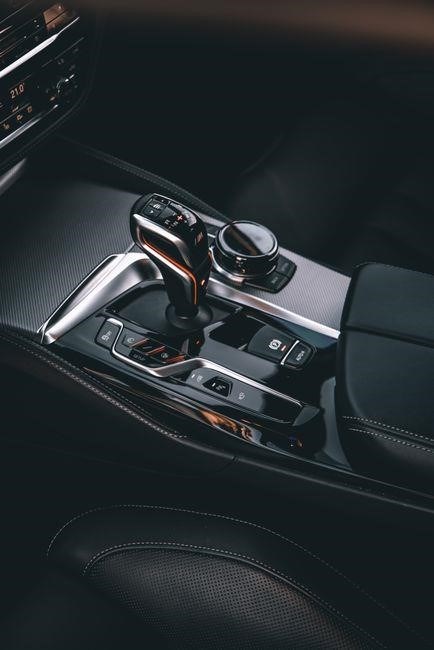
Manual transmissions offer direct gear ratios, giving drivers tactile engagement and precise control, especially in performance cars. CVTs, using a belt‑pulley system, maintain the engine at optimal RPM, improving fuel economy and smooth acceleration, but lack the distinct shift feel. CVTs aid hybrid blends now.
Manual vs CVT Basics
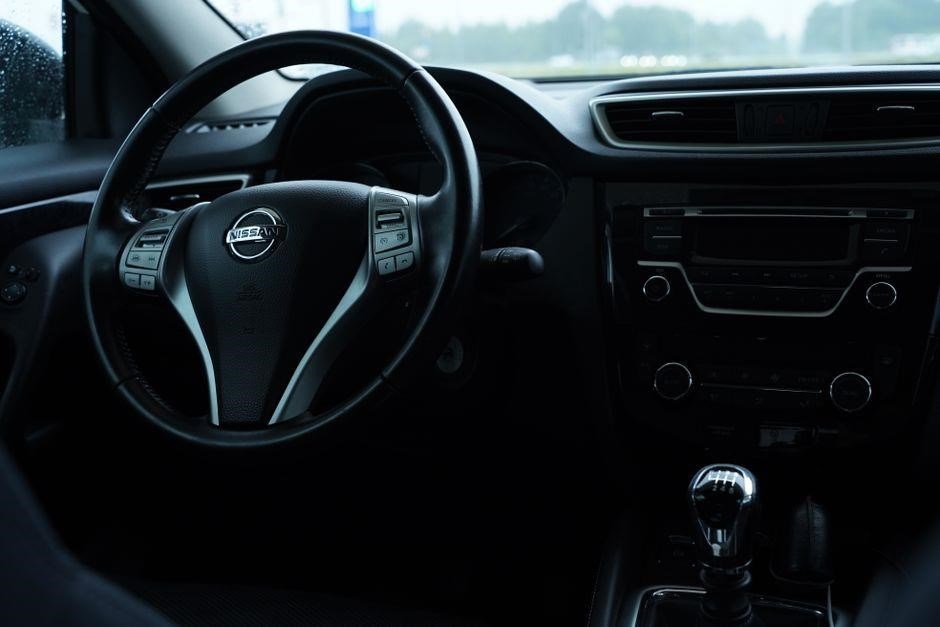
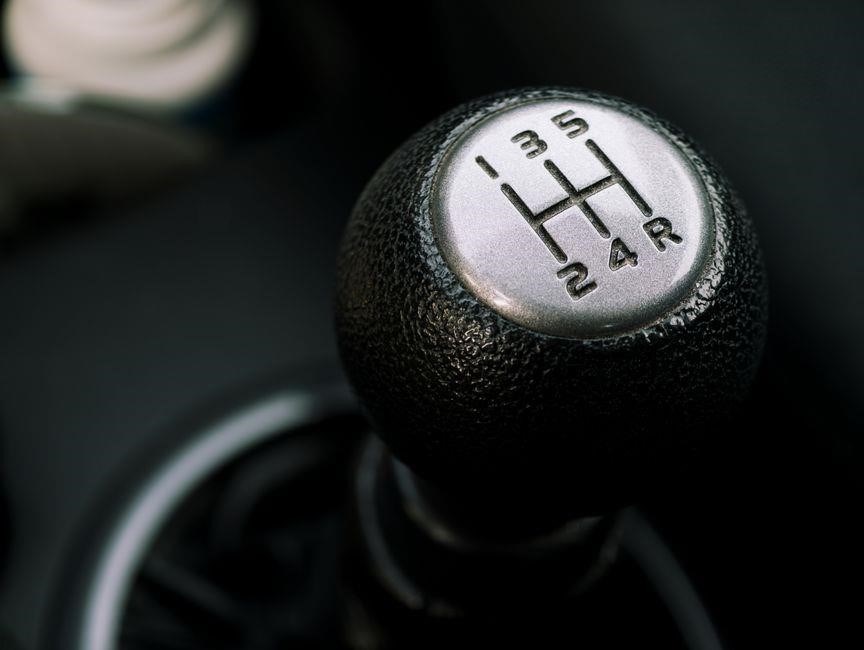
Manual transmissions rely on a clutch, gear stick, and a set of fixed gear ratios. The driver selects each gear manually, which provides a clear sense of power delivery and allows the engine to run at a specific RPM range. This direct mechanical link is prized for its responsiveness and the ability to keep the engine in its most efficient band during spirited driving. In contrast, a CVT (Continuous Variable Transmission) replaces the fixed gear set with a belt or chain that runs between two variable‑diameter pulleys. By continuously adjusting the effective gear ratio, the CVT keeps the engine at its most efficient speed, smoothing acceleration and improving fuel economy. The lack of discrete gear changes eliminates the “shift shock” felt in a manual, but also removes the tactile engagement that many drivers enjoy. CVTs are typically lighter and more compact, making them attractive for front‑wheel‑drive and hybrid platforms where space and weight savings are critical. While a manual offers the driver full control over gear selection, a CVT delivers a more consistent, low‑friction power flow that is especially beneficial in city traffic or for vehicles that prioritize efficiency over performance. Both systems have evolved: modern manuals incorporate dual‑clutch or semi‑automatic variants, and CVTs now use advanced electronics to mimic shift points for a more engaging feel. The choice between them ultimately hinges on the driver’s preference for control versus convenience, and the vehicle’s intended use—whether it’s a high‑performance sports car or a fuel‑efficient commuter; These illustrate how manual and CVT transmissions differ in control, efficiency, and feel for drivers.
Mechanical Design
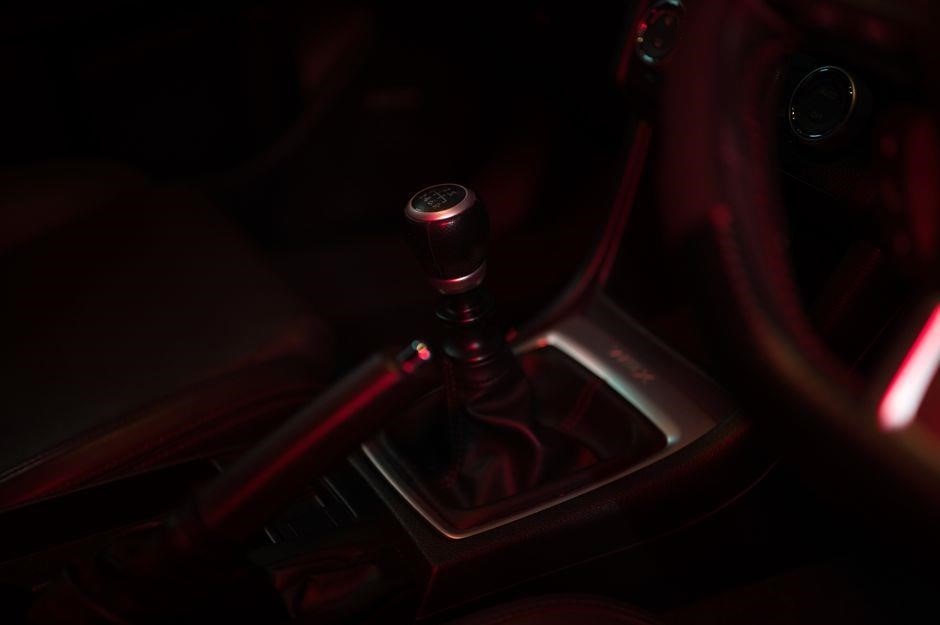
Manual gearboxes use a rigid shaft, gear teeth, and a clutch. CVTs employ a belt or chain between variable pulleys, allowing infinite ratios. Manuals have distinct gear stages; CVTs provide smooth, continuous shift. Weight, size, and complexity differ, affecting vehicle layout. End. More.
Gearbox vs Belt‑Pulley System
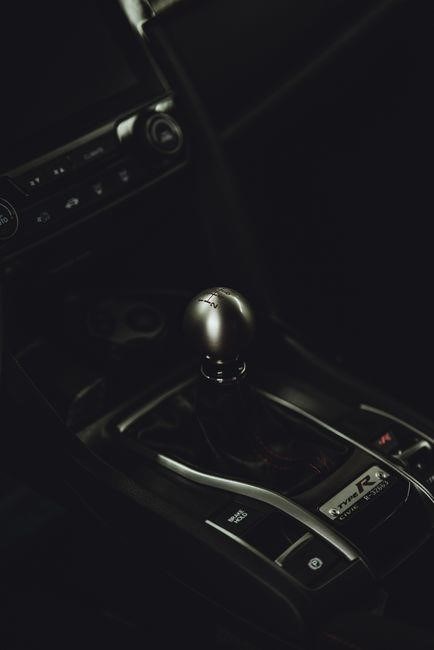
In a traditional manual gearbox, the drivetrain relies on a series of precisely machined gear teeth that mesh within a rigid housing. The driver selects a gear ratio by engaging the clutch and moving the gear stick, which mechanically locks the input shaft to the desired gear set. This direct mechanical linkage provides a predictable, linear relationship between engine speed and wheel torque, and the gear ratios are fixed and discrete. The construction is robust, with high torque capacity and minimal power loss, but it requires a larger, heavier assembly and a clutch that must be periodically replaced. A belt‑pulley CVT replaces the discrete gear set with two variable‑diameter pulleys connected by a flexible belt or chain. The pulleys adjust their effective radius in real time, allowing the transmission to maintain the engine at an optimal RPM for efficiency or performance. The belt material—often reinforced rubber or a steel‑reinforced composite—must withstand continuous tension and heat while minimizing slip. The CVT’s internal hydraulics or electronic controls modulate pulley spacing, enabling a virtually infinite number of ratios. This design reduces weight and improves packaging, but introduces complexity in thermal management and requires precise control algorithms to avoid harsh “rubber‑band” feel. Additionally, the belt’s wear characteristics differ from gear teeth, necessitating regular inspection and replacement at intervals that can be shorter than clutch wear in manuals. The belt‑pulley CVT’s continuous ratio adjustment also allows it to keep the engine at optimal RPM for efficiency. The CVT’s operation is governed by advanced sensors that monitor wheel speed, engine load, and driver input, enabling seamless transitions that feel almost imperceptible to the passenger. This synergy between mechanical and electronic systems exemplifies modern drivetrain innovation. While the belt‑pulley architecture offers superior efficiency, it also demands meticulous maintenance schedules and careful selection of materials to ensure longevity under varying driving conditions. In contrast, the manual gearbox’s simplicity allows for straightforward repairs and a sense of mechanical authenticity that many enthusiasts cherish. Ultimately, the choice between these two designs hinges on priorities such as fuel economy, driving enjoyment, and maintenance preferences.
Performance Metrics
Manuals deliver crisp, predictable power delivery, with each gear shift offering a distinct torque jump. CVTs, by contrast, keep the engine at a steady, efficient RPM, smoothing acceleration but sometimes masking the excitement of gear changes. Performance varies by tuning. The tuning can shift sport economy!
Acceleration and Power Delivery
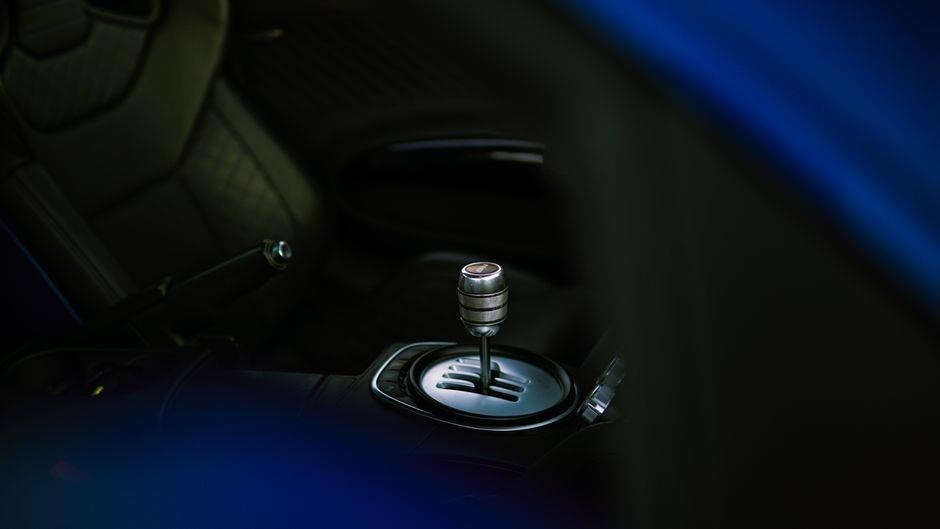
In a manual gearbox, acceleration is governed by the driver’s skill in selecting the optimal gear for a given speed and load. The fixed gear ratios provide a predictable torque curve, allowing the engine to stay within its peak power band. When the driver shifts, the sudden change in gear ratio can produce a noticeable “clutch bite” and a distinct surge of power, especially in high‑output sports models. This tactile feedback is prized by enthusiasts who value the ability to fine‑tune acceleration, whether launching off a curb or overtaking on a highway. The manual’s mechanical linkage also eliminates the slight lag that can occur in automated systems, ensuring that throttle input translates directly into drivetrain response.
Conversely, a CVT keeps the engine operating at the most efficient RPM by continuously varying the pulley ratio. This means the engine can maintain a steady, high‑torque output without the abrupt shifts seen in a manual. For everyday driving, the CVT’s smooth power delivery results in a more relaxed acceleration profile, with the engine staying near its optimal power band. However, the absence of discrete gear changes can lead to a “rubber‑neck” feel, where the driver perceives a lack of engagement. Some modern CVTs incorporate simulated shift points or “gear‑shift” modes to mitigate this, but the fundamental difference remains: the manual offers a sharp, mechanical response, while the CVT prioritizes efficiency and smoothness.
Performance metrics such as 0‑60 mph times often show manuals slightly ahead in pure power‑to‑weight vehicles, thanks to their direct torque transfer. In contrast, CVTs excel in fuel‑efficient vehicles, where maintaining the engine at its most efficient RPM reduces drag and improves acceleration over a broader range of speeds. Hybrid models frequently pair a CVT with an electric motor, allowing the electric assist to provide instant torque while the CVT manages the combustion engine’s output, creating a seamless acceleration experience that blends the best of both worlds.
Fuel Economy & Emissions
Manuals rely on driver‑chosen gears, often causing higher engine RPMs and fuel use. CVTs keep engines near peak efficiency, reducing consumption and CO₂. Hybrid models pair CVTs with electric assist, further cutting emissions while maintaining smooth power Adds smooth torque flow
CVT Efficiency and CO2 Reduction
Constant‑velocity transmissions (CVTs) replace the discrete gear ratios of a manual with a continuously variable belt‑pulley system that keeps the engine operating near its most efficient power band. By eliminating the need for high‑RPM “over‑revving” during acceleration, CVTs reduce fuel consumption by up to 10 % compared to traditional manual gearboxes in many light‑weight vehicles. This efficiency gain translates directly into lower CO₂ emissions, with studies showing a 5–7 % reduction in tail‑pipe output for comparable models. Modern CVTs also pair well with mild‑hybrid architectures, allowing the electric motor to assist during low‑load conditions and to recover energy during braking. The result is a smoother torque curve, improved throttle response, and a cumulative annual emissions drop of roughly 0.5–1.0 tonnes for a typical commuter. Manufacturers report that the improved fuel economy is most pronounced in urban stop‑and‑go traffic, where the CVT’s ability to maintain optimal engine speed reduces idle time and idling losses. Additionally, the lower mechanical complexity of a CVT—fewer moving parts and a simplified clutch system—means reduced wear on internal components, further extending the life of the drivetrain and minimizing the environmental impact of replacement parts. In summary, CVTs provide a compelling blend of fuel efficiency and emission reduction, especially when integrated with electrified powertrains, making them a forward‑looking choice for sustainable mobility. Notably, the continuous adjustment of gear ratios allows CVTs to keep the engine at its peak torque point, which is particularly beneficial for hybrid systems that rely on precise torque delivery to optimize electric motor usage. The reduced need for clutch engagement also lessens heat buildup, contributing to lower overall drivetrain temperatures and improved reliability. Furthermore, many modern CVTs incorporate advanced electronic control units that monitor driving conditions in real time, enabling adaptive shifting strategies that balance performance with efficiency. As automotive manufacturers pursue stricter emissions regulations, the inherent efficiency of CVT technology positions it as a key component in meeting future regulatory targets while maintaining consumer appeal.
Maintenance & Longevity
Manual gearboxes need clutch changes and gear oil every 60 k miles. CVTs use a special fluid and belt that wears faster; fluid change every 30 k miles. Longevity hinges on driving style: manuals can exceed 200 k miles, CVTs 150–180 k with care. Proper maintenance extends life, but neglect can shorten it. Check up.
Wear Patterns and Service Intervals
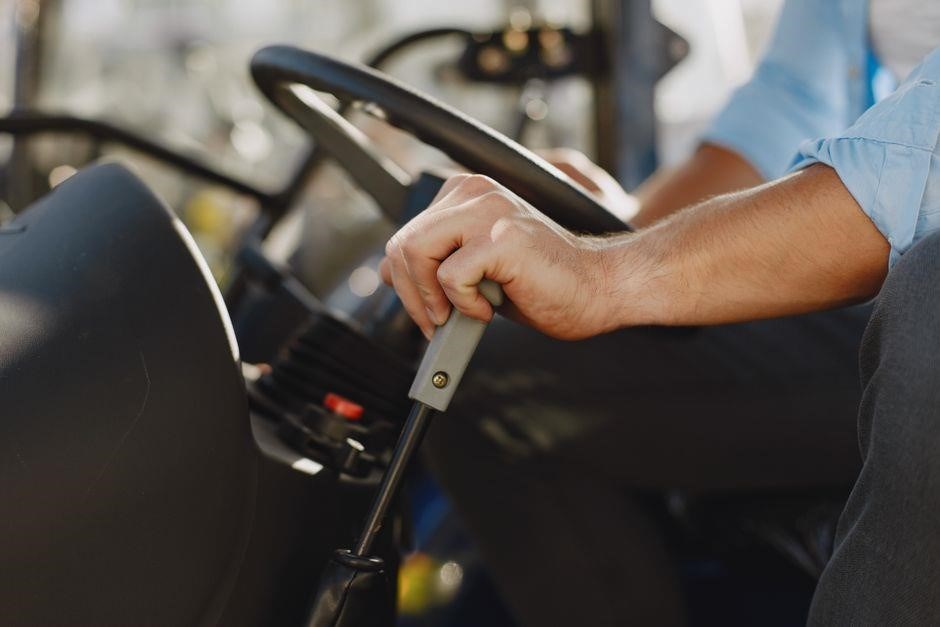
Manual transmissions exhibit wear primarily at the clutch, gear teeth, and synchronizers. The clutch disc’s friction material degrades with repeated engagement, typically requiring replacement after 60–100 k miles, depending on driving habits. Gear teeth wear is gradual; a well‑maintained manual can last beyond 200 k miles. Synchros, which facilitate smooth gear changes, may need inspection every 30 k miles to preempt grinding. Oil changes every 30 k miles keep the gearbox lubricated, preventing metal‑to‑metal contact.
CVTs, by contrast, rely on a continuously variable belt or chain that slides along pulleys. The belt’s rubber or silicone compound wears faster under high torque, especially in stop‑and‑go traffic. Most manufacturers recommend a fluid change every 15–20 k miles to maintain belt tension and prevent glazing. The belt itself lasts 30–50 k miles, but early replacement can avert catastrophic failure. Pulleys can develop wear spots; inspecting them at each fluid change helps catch misalignment before it propagates.
Service intervals for both types are dictated by manufacturer guidelines, but real‑world patterns show that aggressive driving shortens clutch life in manuals and accelerates belt wear in CVTs. Regular inspections—checking fluid levels, listening for whining noises, and monitoring shift feel—are essential for extending longevity. Adhering to scheduled maintenance not only preserves performance but also protects resale value. Owners should monitor fluid levels quarterly to preclude premature belt wear
Driver Experience
Manuals give drivers tactile engagement, a sense of control, and a distinct shift feel, appealing to purists. CVTs offer seamless acceleration, smoother shifts, and reduced driver input, enhancing comfort in city traffic. Choice depends on preference for engagement versus convenience.!!
Control, Engagement, and Shift Feel
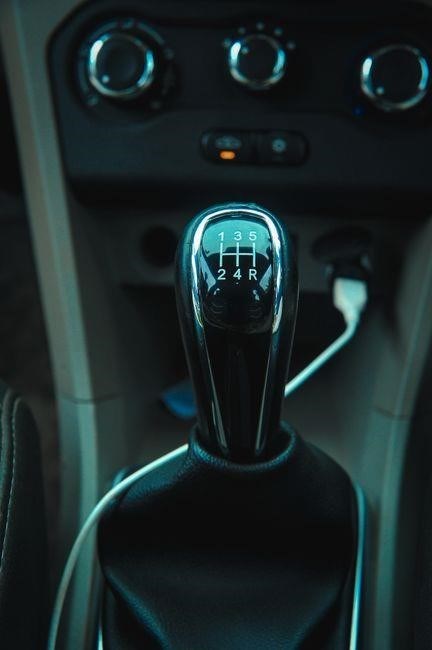
Manual transmissions provide a direct mechanical link between the driver and the drivetrain, allowing precise gear selection and a tactile shift feel that many enthusiasts value. The act of engaging the clutch and selecting gears offers a sense of control. Drivers can anticipate engine load changes and adjust accordingly, creating a more interactive experience.
- Manuals: 5‑gear, 6‑gear options, clutch lever, tactile clicks.
- CVTs: belt‑pulley, continuously variable, no gear jumps.
- Engagement: manual offers distinct shift feel, CVT provides smooth flow.
- Control: manual allows driver‑initiated changes, CVT auto‑adjusts.
- Comfort: CVT reduces shift shock, ideal for long commutes.
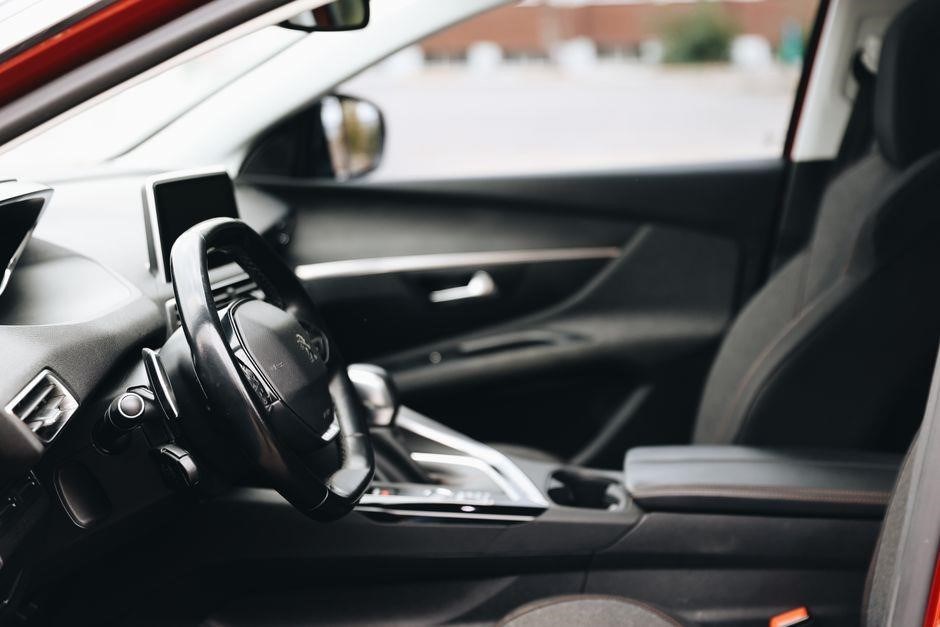
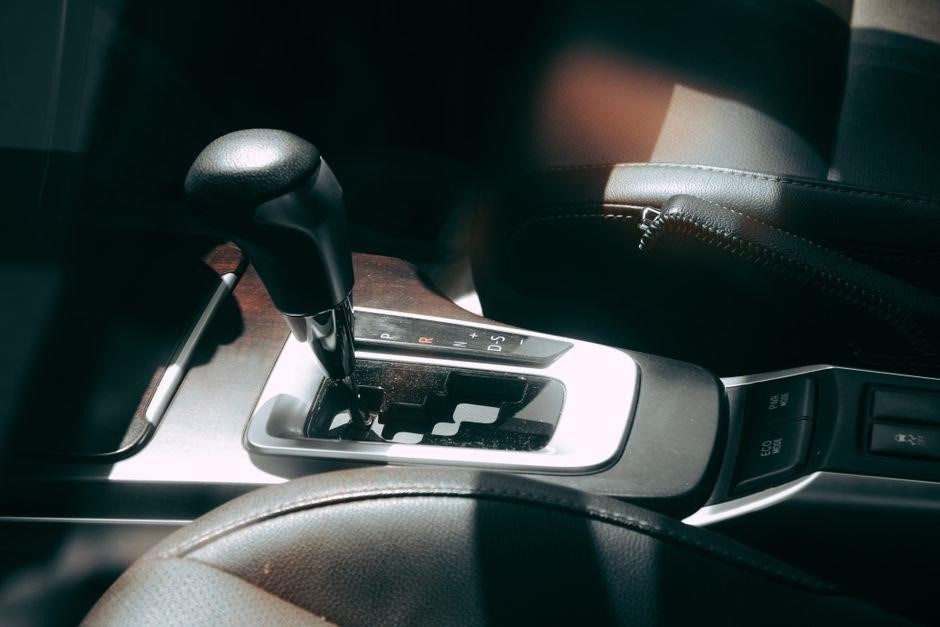
In a manual, the driver feels each gear change as a distinct mechanical event, often described as a “click” that signals a shift. This tactile feedback can enhance situational awareness, especially in performance driving where timing of gear changes matters. CVTs, on the other hand, eliminate discrete steps; the engine runs at a constant optimal RPM while the belt‑pulley ratio changes smoothly. This results in a seamless acceleration curve that can feel almost invisible to the driver, reducing the need for conscious gear selection. While this smoothness benefits fuel economy and comfort, some drivers find the lack of a clear shift cadence less engaging, especially when driving spiritedly or on a track. The choice often comes down to whether the driver prioritizes direct mechanical engagement or a smooth, low‑effort driving experience.
Ultimately, the choice between manual and CVT depends on driving style, desired engagement, and vehicle purpose. Each offers distinct benefits for different drivers todynow.
Market Adoption & Trends
Global sales data show a steady decline in manual transmissions, especially in North America and Europe, while CVTs dominate compact and hybrid segments. Manufacturers are phasing out manuals in favor of CVTs and dual‑clutch units, driven by fuel‑efficiency mandates and consumer demand for seamless drives.!!!!!!!!??
Hybrid Integration and Future Advances
Hybrid powertrains increasingly rely on transmissions that can seamlessly blend electric torque with internal‑combustion output. In this context, CVTs are favored for their continuous ratio range, allowing the electric motor to operate at peak efficiency while the engine stays within its optimal RPM band. Manufacturers are also exploring dual‑clutch hybrids, where a dual‑clutch system can act as a high‑performance CVT, offering both rapid gear changes and a smooth torque curve. Some automakers are integrating electronically controlled CVTs with regenerative braking systems, creating a single‑gear solution that manages power flow from both sources without mechanical complexity. Future advances may involve adaptive CVT algorithms that learn driving patterns, adjusting the pulley ratio in real time to balance performance, fuel economy, and battery state of charge. Meanwhile, manual transmissions are largely being phased out in hybrid models due to the need for precise torque distribution and the inability to accommodate the rapid torque changes from electric motors. The trend points toward fully integrated, electronically controlled CVT‑based hybrids that deliver the efficiency of electric propulsion with the flexibility of internal combustion, while maintaining a smooth, almost seamless driving experience. This shift is supported by stricter emissions regulations and consumer expectations for low‑maintenance, high‑efficiency vehicles. As battery technology improves, the role of the transmission will shift further toward managing power delivery rather than mechanical gear changes, cementing the CVT’s position as the backbone of next‑generation hybrid platforms.
Future research is focusing on integrating hybrid electric vehicles with advanced CVT control strategies that can predict driver intent, adjust shift points, and optimize battery usage. The use of machine learning in transmission control units is expected to further refine torque management, leading to smoother transitions and extended component life. These innovations are expected to keep CVTs at the forefront of hybrid technology while offering a more engaging driving experience than traditional automatics. Continued collaboration between automakers and suppliers will accelerate deployment. Innovation will drive adoption.